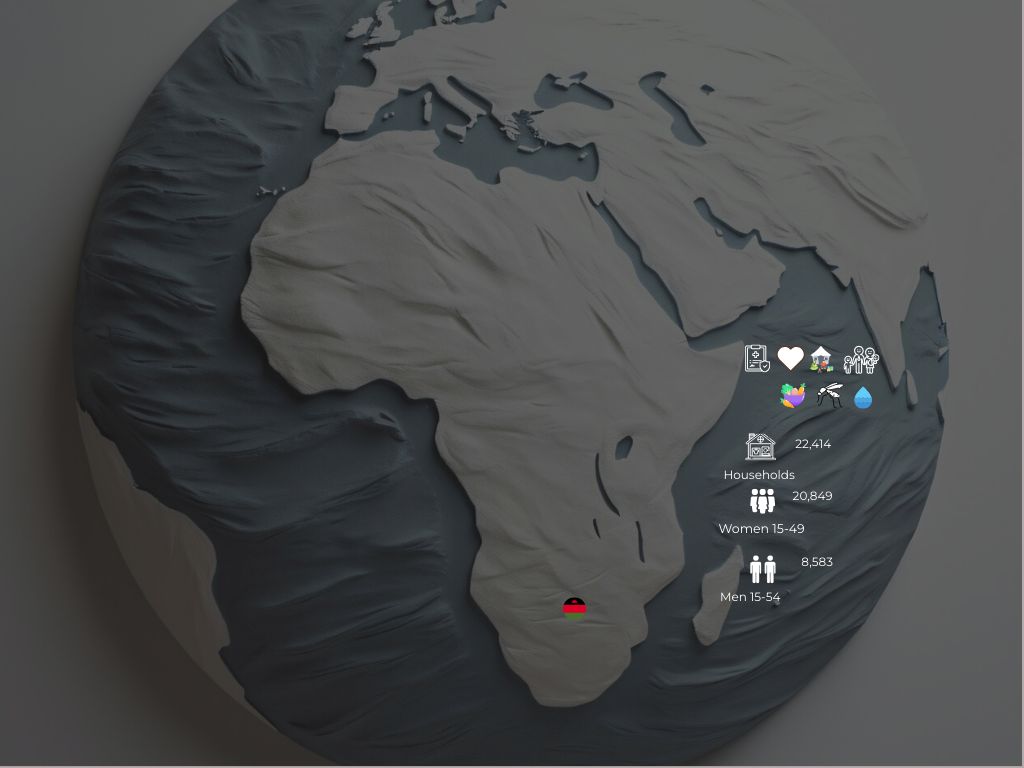
Beyond the Demographic and Health Survey: on the past and future of population health surveillance
A commentary on how the 2025 DHS suspension exposed fragile donor‑dependent health data systems and highlighted the need for stronger, standardised national and community‑led approaches, supported by international collaboration in future health surveillance.
Read More
Unpacking the Emergency Health Kit of international humanitarian medical aid 1978–90: How humanitarian standards and supply chains became global
The paper explores how Emergency Health Kits (EHKs), introduced between 1978 and 1990, transformed international humanitarian medical aid.
Read More
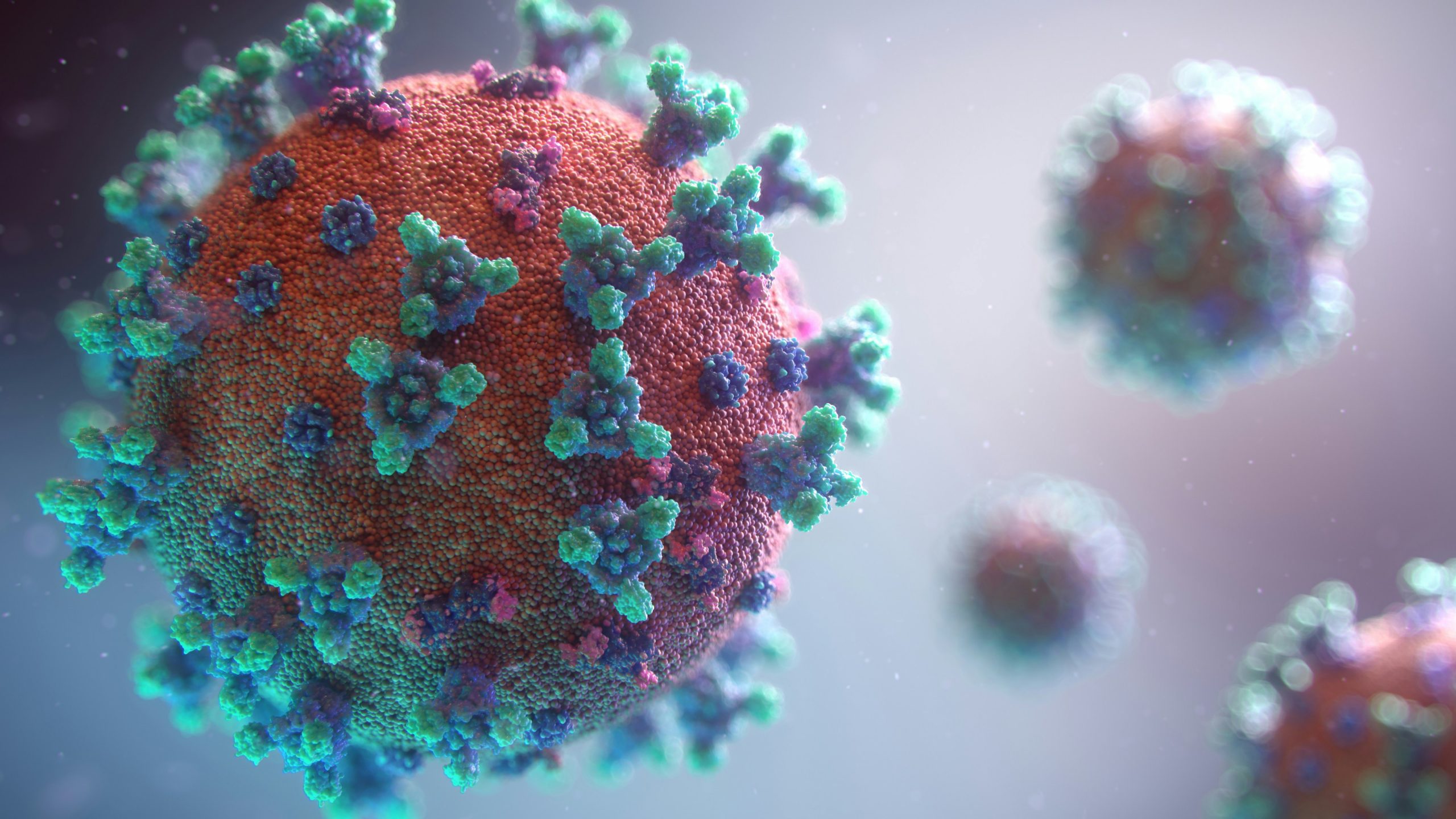
Approval delays in multi-country COVID-19 trials: the case of COPCOV and the risk of therapeutic inertia
This paper, by Janelle Winters and Williams HK Schilling, looks at delays in approving the COPCOV trial—a large, international study led by the University of Oxford. It explains how bureaucracy and regulations slowed the trial and suggests ways to improve research during health emergencies.
Read More
Humanitarian Medicine and Organizations
Encyclopedia entry to the Wiley Blackwell Encyclopedia of Health, Illness, Behavior, and Society by PI Professor Taithe on Humanitarian Medicine and Organizations.
Read More
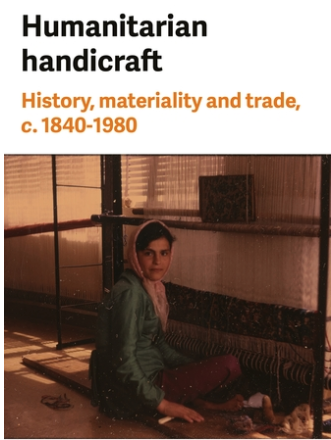
Forthcoming book: Humanitarian handicraft
This book uncovers the overlooked history of artisanal textiles in projects aimed at social uplift and moral reform. The contributors ask what the implications of this form of gendered craft production are for our understanding of the humanitarian imagination, relations of humanitarian production and the generation of meaning and social and artistic value. It also opens a dialogue with contemporary socially-engaged textile artists to engender critical reflection on the socially-situated meaning of textile craft in past and present humanitarian contexts.
Read More
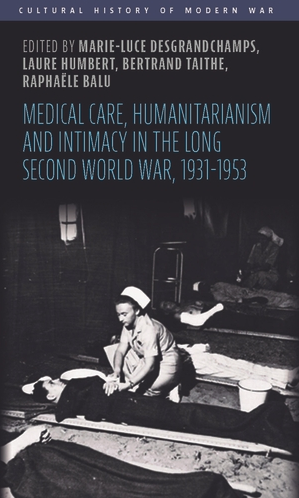
Book Publication: Medical care, humanitarianism and intimacy in the long Second World War, 1931-1953
This book explores underexamined sites of interactions and encounters between humanitarians and medical workers during the long Second World War (1931-1953).It traces circulations of humanitarian actors, knowledge, and practices across the world from a conflict to another. In doing so, it demonstrates that the conflict brought about unlikely aid coalitions and intimate networks of aid, and led to a transformation of the relationships between some European organisations and colonial 'peripheries', leading to the emergence of new activities and actors.
Read More
Book Publication: Medical care, humanitarianism and intimacy in the long Second World War, 1931-1953
This book explores underexamined sites of interactions and encounters between humanitarians and medical workers during the long Second World War (1931-1953).It traces circulations of humanitarian actors, knowledge, and practices across the world from a conflict to another. In doing so, it demonstrates that the conflict brought about unlikely aid coalitions and intimate networks of aid, and led to a transformation of the relationships between some European organisations and colonial 'peripheries', leading to the emergence of new activities and actors.
Read More
Book Publication: Medical care, humanitarianism and intimacy in the long Second World War, 1931-1953
This book explores underexamined sites of interactions and encounters between humanitarians and medical workers during the long Second World War (1931-1953).It traces circulations of humanitarian actors, knowledge, and practices across the world from a conflict to another. In doing so, it demonstrates that the conflict brought about unlikely aid coalitions and intimate networks of aid, and led to a transformation of the relationships between some European organisations and colonial 'peripheries', leading to the emergence of new activities and actors.
Read More
Book Publication: Medical care, humanitarianism and intimacy in the long Second World War, 1931-1953
This book explores underexamined sites of interactions and encounters between humanitarians and medical workers during the long Second World War (1931-1953).It traces circulations of humanitarian actors, knowledge, and practices across the world from a conflict to another. In doing so, it demonstrates that the conflict brought about unlikely aid coalitions and intimate networks of aid, and led to a transformation of the relationships between some European organisations and colonial 'peripheries', leading to the emergence of new activities and actors.
Read More
Book Publication: Medical care, humanitarianism and intimacy in the long Second World War, 1931-1953
This book explores underexamined sites of interactions and encounters between humanitarians and medical workers during the long Second World War (1931-1953).It traces circulations of humanitarian actors, knowledge, and practices across the world from a conflict to another. In doing so, it demonstrates that the conflict brought about unlikely aid coalitions and intimate networks of aid, and led to a transformation of the relationships between some European organisations and colonial 'peripheries', leading to the emergence of new activities and actors.
Read More