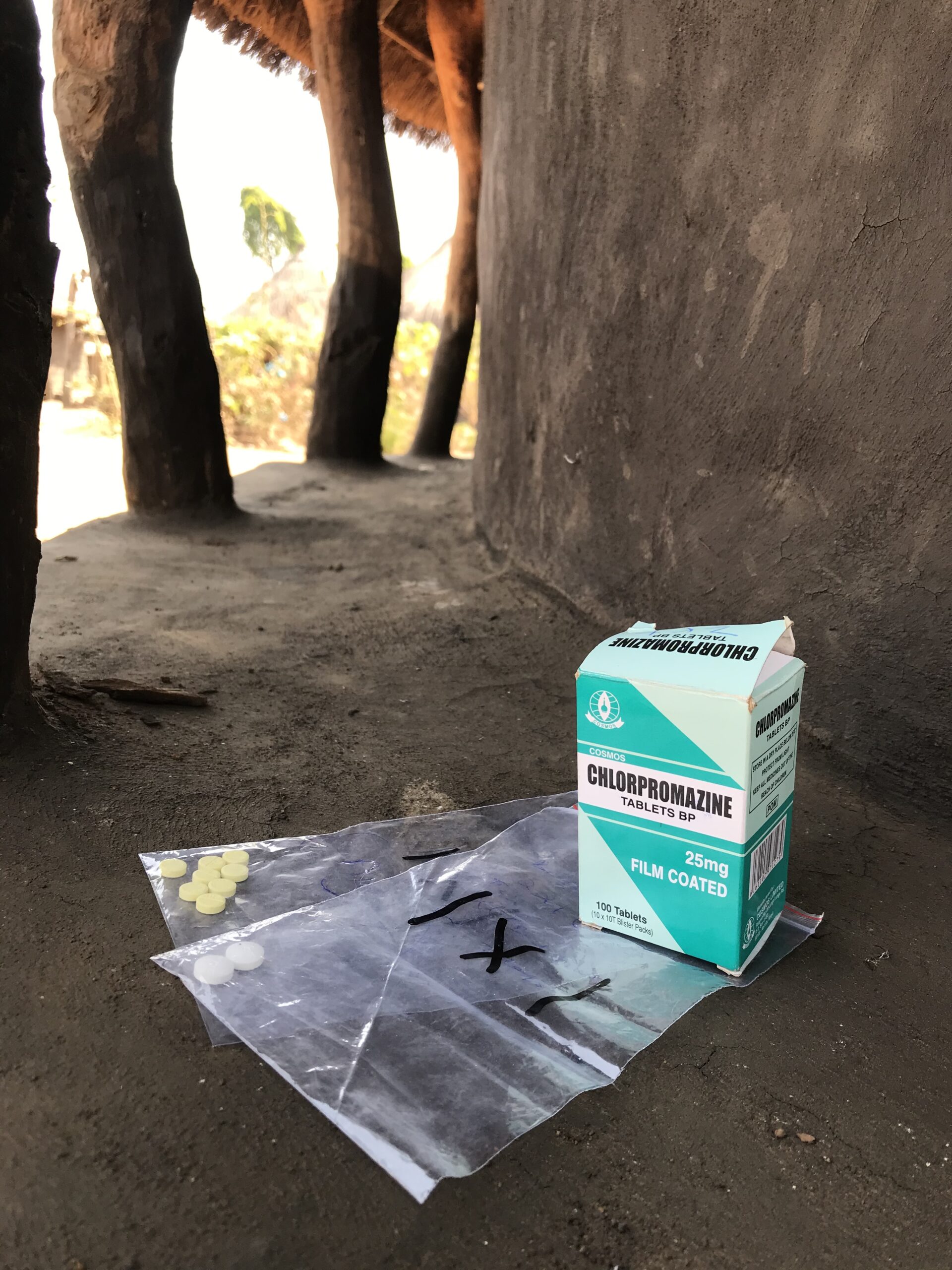
Hunger and side-effects of antipsychotics in Palabek refugee settlement, northern Uganda
Drawing on ethnographic research in Palabek refugee settlement, northern Uganda, Costanza Torre discusses how food insecurity and hunger undermine adherence to treatment for psychosis using chlorpromazine in humanitarian settings.
Read More
A python's embrace? Insurance and the global clinical trial
This paper examines how clinical trial insurance has evolved into a significant bureaucratic barrier to multi country academic trials, particularly in LMICs, and shows how insurance driven delays constrained trial activation during the COVID 19 pandemic.
Read More
Creating State Secrets: China, Foreign Policy and Sharing of Epidemiological Data, 1949–1979
This paper examines how political imperatives have historically influenced international scientific collaboration by analysing China’s engagement with epidemiological data sharing and its evolving relationship with the World Health Organization (WHO) between 1949 and (China 1979).
Read More
Beyond the Demographic and Health Survey: on the past and future of population health surveillance
A commentary on how the 2025 DHS suspension exposed fragile donor‑dependent health data systems and highlighted the need for stronger, standardised national and community‑led approaches, supported by international collaboration in future health surveillance.
Read More
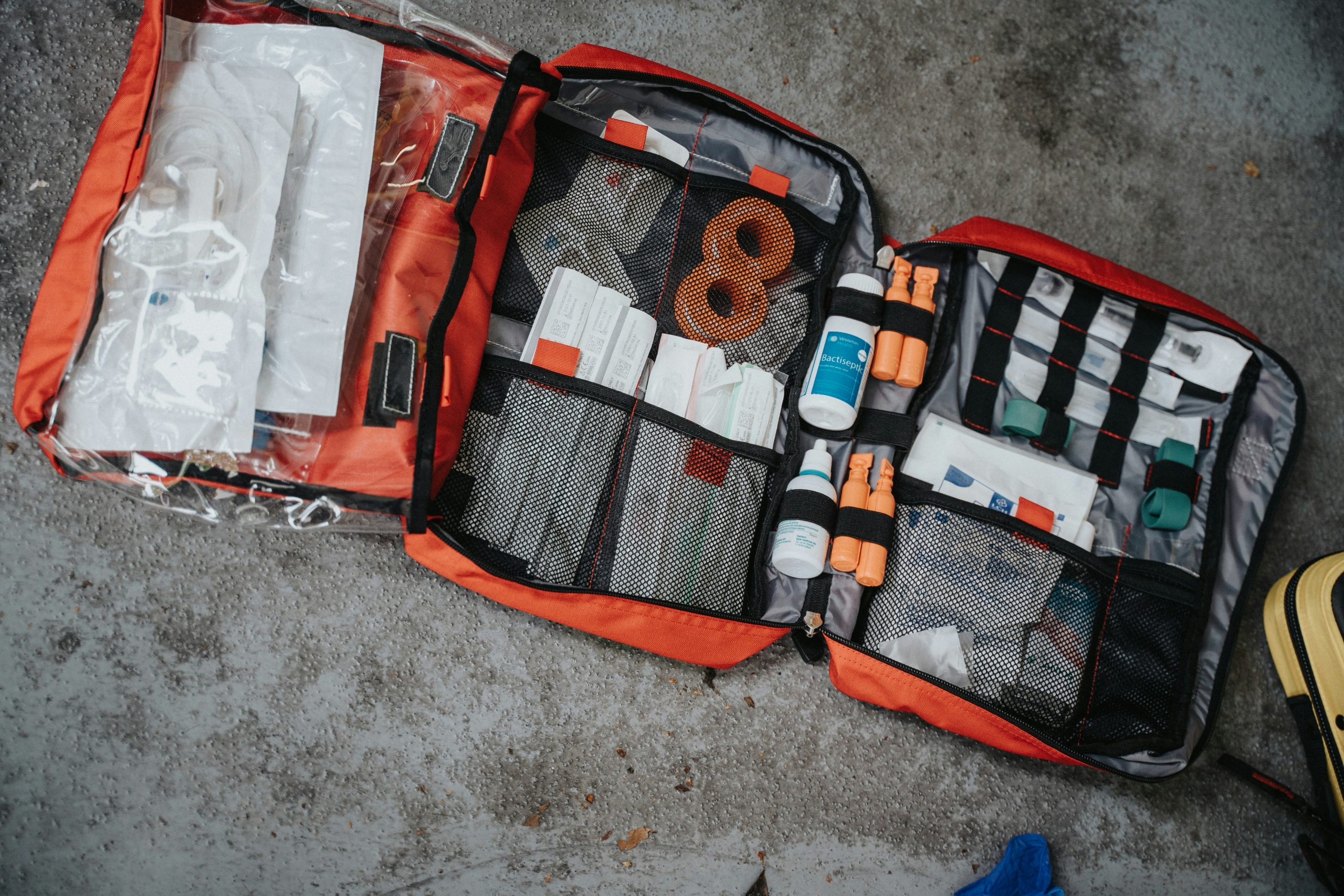
Unpacking the Emergency Health Kit of international humanitarian medical aid 1978–90: How humanitarian standards and supply chains became global
The paper explores how Emergency Health Kits (EHKs), introduced between 1978 and 1990, transformed international humanitarian medical aid.
Read More
Approval delays in multi-country COVID-19 trials: the case of COPCOV and the risk of therapeutic inertia
This paper, by Janelle Winters and Williams HK Schilling, looks at delays in approving the COPCOV trial—a large, international study led by the University of Oxford. It explains how bureaucracy and regulations slowed the trial and suggests ways to improve research during health emergencies.
Read More
Approval delays in multi-country COVID-19 trials: the case of COPCOV and the risk of therapeutic inertia
This paper, by Janelle Winters and Williams HK Schilling, looks at delays in approving the COPCOV trial—a large, international study led by the University of Oxford. It explains how bureaucracy and regulations slowed the trial and suggests ways to improve research during health emergencies.
Read More
Approval delays in multi-country COVID-19 trials: the case of COPCOV and the risk of therapeutic inertia
This paper, by Janelle Winters and Williams HK Schilling, looks at delays in approving the COPCOV trial—a large, international study led by the University of Oxford. It explains how bureaucracy and regulations slowed the trial and suggests ways to improve research during health emergencies.
Read More
Approval delays in multi-country COVID-19 trials: the case of COPCOV and the risk of therapeutic inertia
This paper, by Janelle Winters and Williams HK Schilling, looks at delays in approving the COPCOV trial—a large, international study led by the University of Oxford. It explains how bureaucracy and regulations slowed the trial and suggests ways to improve research during health emergencies.
Read More

Approval delays in multi-country COVID-19 trials: the case of COPCOV and the risk of therapeutic inertia
This paper, by Janelle Winters and Williams HK Schilling, looks at delays in approving the COPCOV trial—a large, international study led by the University of Oxford. It explains how bureaucracy and regulations slowed the trial and suggests ways to improve research during health emergencies.
Read More